
When God Seems Distant
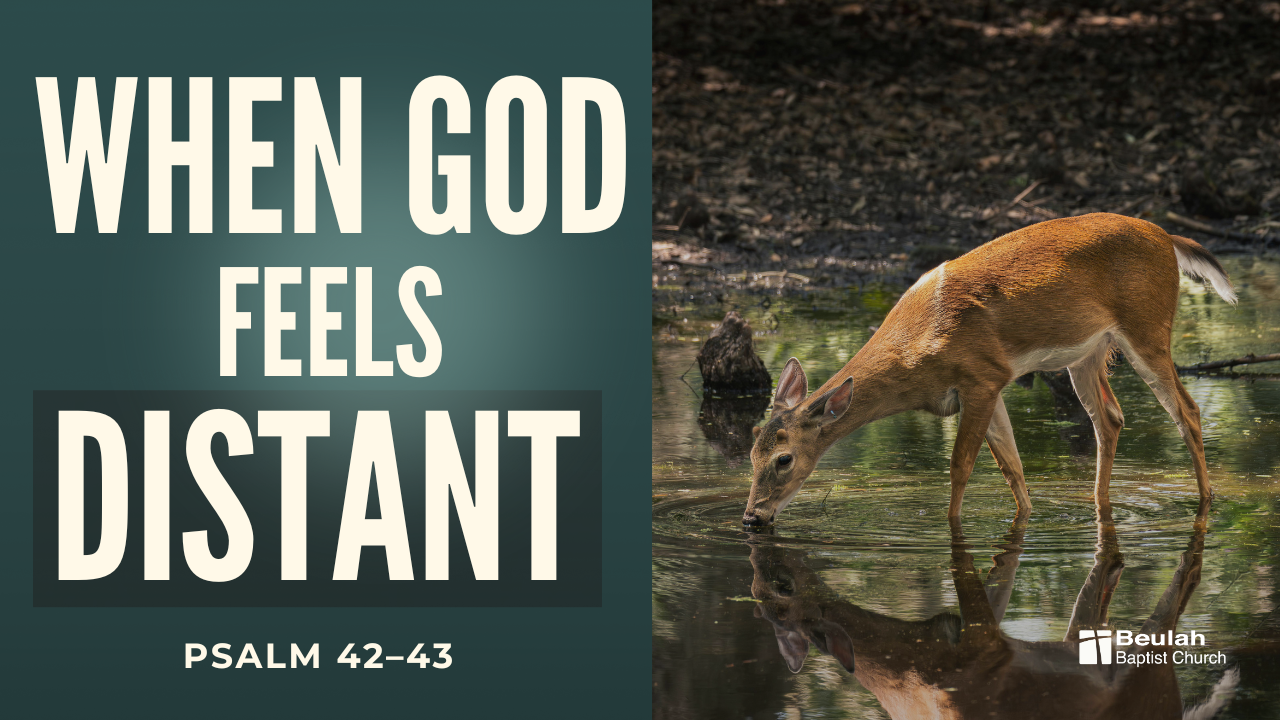
Psalm 42–43 shows us how to be honest about the suffering of our souls, thirst for God, remember His steadfast love, and preach gospel hope to ourselves.
Psalms 42 and 43 were probably meant to be together. They share a common theme as the psalmist expresses his great desire to be back in God’s presence in the sanctuary while dealing with enemy oppression and mockery. He goes back and forth between expressing his despair, lamenting his questions, remembering God, trusting God, praying for help, and challenging his soul to hope in God. These psalms show us a battle for the health of the psalmist’s soul.
We also deal with sorrows of the soul. Physical hardship, relational strain, oppression, sin, and temptation can affect our emotions, our spirits, and our souls. Sometimes these things make God feel distant, and we find ourselves longing for Him in what we are going through. These psalms encourage us because the psalmist trusted God even while he felt deep grief.
A Soul Thirsting for God (Psalm 42:1–4)
The psalmist longs for God like a deer pants for water in a drought or after the exhaustion of being chased by a predator. He is thirsty for God and has a longing in his soul that only God can satisfy. Something has separated him from worshiping with God’s people in the sanctuary, and he feels as though he is in a terribly dry season. He is suffering in his soul and longing for the living God.
His enemies continually ask, “Where is your God?” They call God’s ability and faithfulness into question, as though God has abandoned him and cannot deliver him. This troubles the psalmist not only for his own sake but also for God’s glory and witness. His grief is so deep that his tears have become his food day and night.
As he pours out his soul, he remembers the joy of leading God’s people in worship with glad shouts and songs of praise. Those memories bring both joy and sorrow because he longs for those days to return. Yet his suffering creates in his whole being a great thirst for God Himself—not merely for his situation to improve. He wants God, life, satisfaction, and the nearness of the God of his life.
We should thirst for God. Feeling distant from Him should make us thirsty for His nearness. Separation from worshipping Him with His people should cause a thirst for it. Our souls, no matter what we go through, deeply need to be near to God. Communing with Him satisfies our souls’ deepest longings, no matter what we are going through.
Preach to Your Downcast Soul (Psalm 42:5–6)
The psalmist’s soul is downcast, depressed, in despair, and filled with turmoil. He is honest about those feelings, but he does not give in to them as though he is a powerless victim. Despair is not king, and depression is not a tyrant. He challenges his soul and commands it to hope in God.
“We don’t have to obey our despair. We preach to our soul to look to God and hope in Him and the promises of His Word.”
The psalmist does not passively sit in his gloom as though his circumstances justify surrendering to despair. He fights for joy, fights for faith, and preaches to his soul to wait on the God who is his salvation. He believes he will praise God again because God will remain faithful to His promises. He is honest about his grief, but he puts his eyes upon God rather than his despair.
This is not mental gymnastics or an attempt to find power in our own words. We do not have to deny that our pain is real, but we also do not have to obey our despair. We preach to our souls to look to God and hope in Him and the promises of His Word. We trust Him to lift us above our despair as we look to Him instead of our situation.
Remember God When the Waves Overwhelm You (Psalm 42:6–8)
Preaching to his soul does not immediately remove the psalmist’s grief. He hopes in God, but he is still battling turmoil of the soul. We also know what is right, believe in God, and hope in Him while the grief of a downcast soul remains. It is a battle for our souls.
When our noses are pressed against the mountain in front of us, that mountain may be all we can see. In those moments, we must remember the God who is our refuge, rock, and salvation. The psalmist describes his trouble as roaring waterfalls, waves, and breakers rolling over him until he feels as though he is drowning. Yet he recognizes that even those waves remain in the sovereign hands of God. They are His waves, His breakers, His waterfalls that are in His sovereign hands for His good purposes in the psalmist's life.
God’s steadfast covenant love is not absent from the psalmist. His trials do not nullify the reality that God commands His steadfast love toward him every day, even in the presence of suffering. The psalmist remembers the sovereign God who controls his struggles and remains steadfast in His love. God’s deep mercy meets him in his deep misery.
God sometimes brings or allows deeply disturbing times that roar, rock us, and appear to overwhelm us. He uses them to humble us, sharpen what we truly value, deepen our longing for Him, draw us closer, and teach us to trust and hope in Him. Believers who are held in the steadfast covenant love of God in Christ will not be overcome. God is in control of the waves. He can rescue us from the waves, as He did Peter (Matthew 14:22-33). And He can calm the waves too (Mark 4:35-41). But in and through it all, He works for the believer's good (Romans 8:28, James 1:2-4).
Cry Out to God for Help (Psalm 42:9–11; 43:1–4)
The psalmist knows that God is his Rock, yet the oppression of his enemies makes him feel forgotten. He knows the truth of God’s presence and sovereign care, but he does not always feel it. He continues to challenge his soul to hope in God because his struggles will not last forever. God will lift his head above the water.
The psalmist moves from expressing his suffering to praying for God’s help. Our hope is not in ourselves or anyone else; our hope is in God. When we go through struggles of the soul, we should not remain helplessly in despair. Like the psalmist, we keep crying out to God for help.
He asks God to send His light and truth—His presence, favor, and faithfulness to His promises—to lead him back to the sanctuary. Yet his deepest desire is not merely to return to the holy hill, the house of God, or even the altar. He wants to be led back to God Himself, his exceeding joy. He will be satisfied only in the presence of God.
We want the benefits of God’s favor and faithfulness, but do we desire God Himself - to know Him, be near to Him, to praise Him. To thirst for Him like a deer panting after water. Is our soul satisfied only with the gifts, or in the Giver Himself?
Jesus Is Our Salvation
The waves and breakers of Psalm 42 take us to Calvary, where the roar of God’s judgment poured down upon Jesus as He bore our sin. Jesus was pierced for our transgressions and crushed for our iniquities (Isaiah 53). He bore God’s wrath in our place so that it would not have to fall upon us. He died, rose again, and completely paid the price for our salvation.
Everyone who turns from sin and trusts only in what Christ has done will be forgiven and declared righteous before God. Instead of receiving waves of wrath, we receive waves of mercy and eternal life. Jesus is our salvation, our rock, and our refuge. Death, sin, and Satan have been defeated.
If you are a Christian, you are an adopted child of God, declared holy and blameless, redeemed through Christ’s blood, and forgiven according to the riches of His grace. You have been sealed with the promised Holy Spirit, who is the guarantee of your inheritance. Though your soul may suffer now, you are sealed to be His forever (see Ephesians 1:3-14). Preach these truths to your suffering soul.
As we do, our spiritual droughts are drenched in the showers of His grace, and the waterfalls of misery are consumed in waterfalls of mercy. When we remember that God is our salvation through Christ, our hope is revived and His nearness is experienced. Our struggles are placed into an eternal perspective. Then it is truly well with our souls.
Questions for Reflection
- Do you thirst for God Himself, or do you simply want your circumstances to improve?
- Does feeling distant from God make you thirst for His presence and nearness?
- Do you thirst for the corporate gathering of God’s people in worship?
- Are you allowing despair to rule, or are you preaching to your soul to hope in God?
- When your struggles feel like overwhelming waves, do you remember that God remains sovereign over them?
- Do you go to God for help when your soul is suffering?
- Do you desire God Himself, or are you satisfied only with His gifts?
- Are you trusting only in what Jesus Christ has done for your forgiveness and salvation?

More from Beyond Sunday